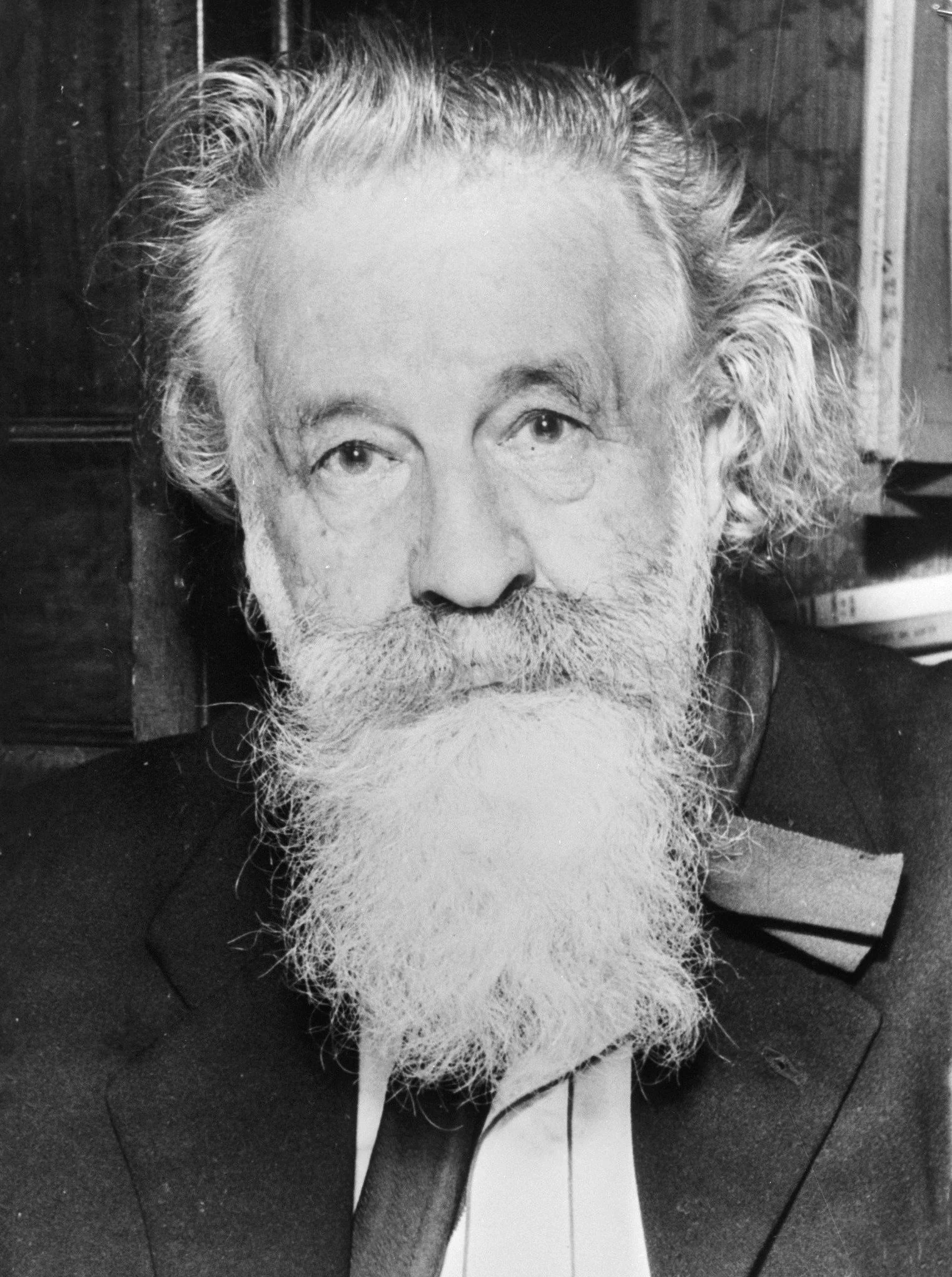
Light the Match: Bachelard, Neural Atrophy, and the Revolutionary Act of Thinking for Yourself
There is something deeply special about the act of making fire. Not in the domestic click of a lighter, or the blue ghost of a gas ring, but that older, more primitive gesture; creating friction, being patient, and the magical moment when heat becomes light. Gaston Bachelard believed that fire was the first “object” of genuine human reverie; the first thing our ancestors stared into and began - without quite knowing it - to think. Fire did not merely warm the body. It educated the mind, called the imagination to attention, and in so doing, contributed towards making us who and what we are today.
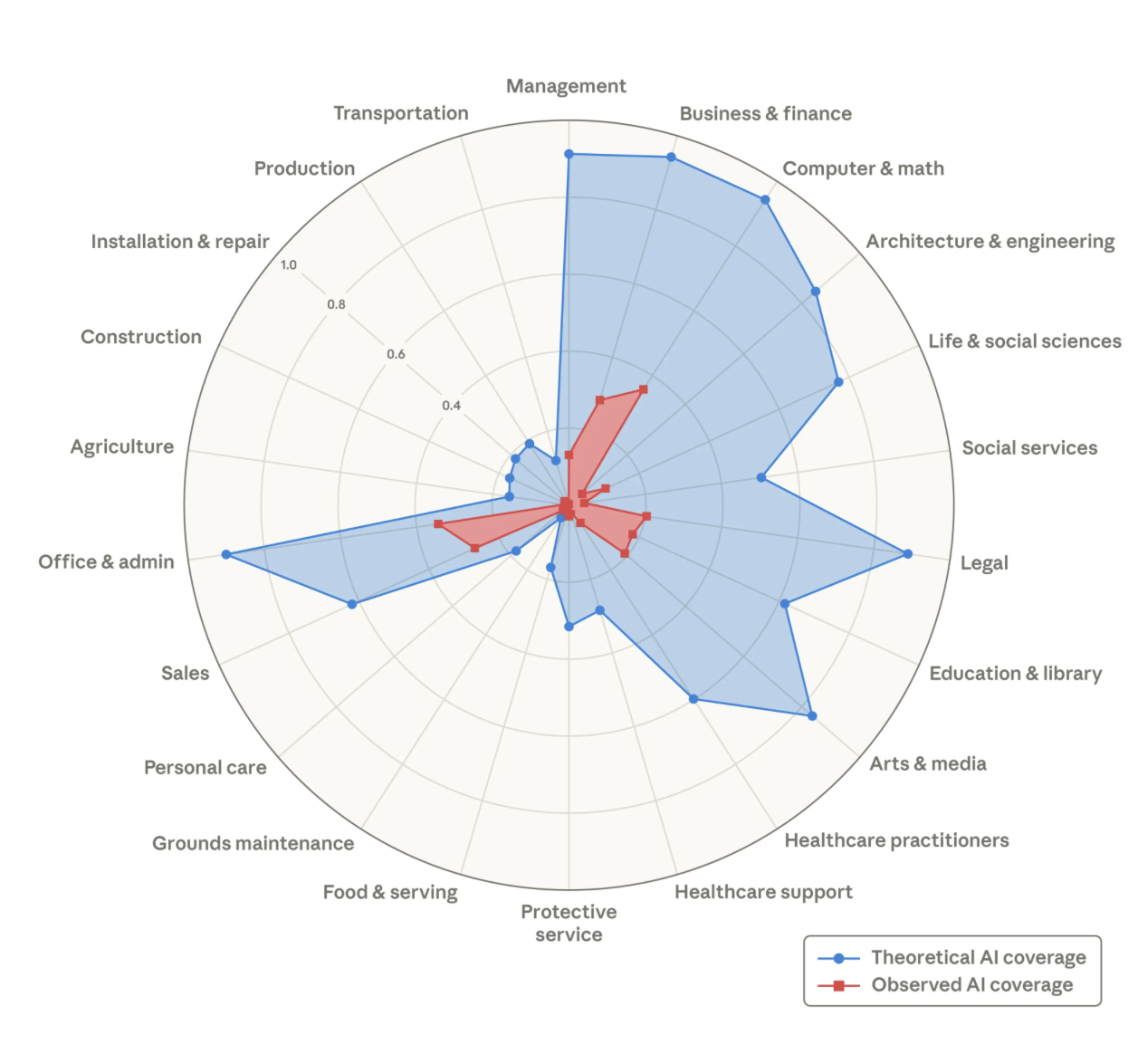
After the Splash: Mapping AI's Three Waves of Displacement
There is something meditative about the moment a pebble meets still water. A clean, decisive movement, the pond holding the impact. And then the first ring appears, expanding outward with quiet inevitability; it is easy to forget that the movement will keep going, and going, long after the stone has settled into the silt.
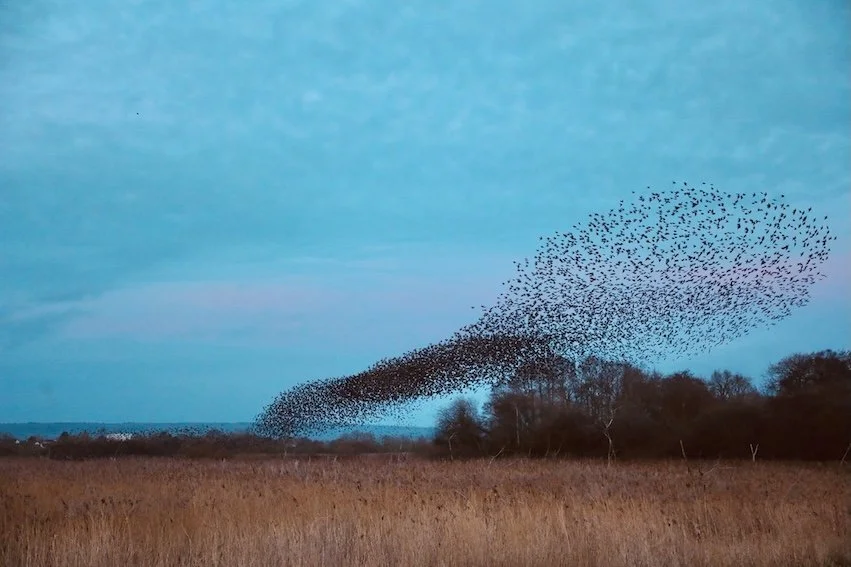
The Shape of a Flock
There is a moment when a murmuration of starlings becomes something other than birds. Individual creatures, each responding only to the seven nearest neighbours, together produce a shape of such fluid intelligence that it appears to think, decide, feel, and celebrate simultaneously. Nobody directs the murmuration. There is no conductor, no algorithm, no central intelligence. There is only the sum of local responses producing something spectacular.
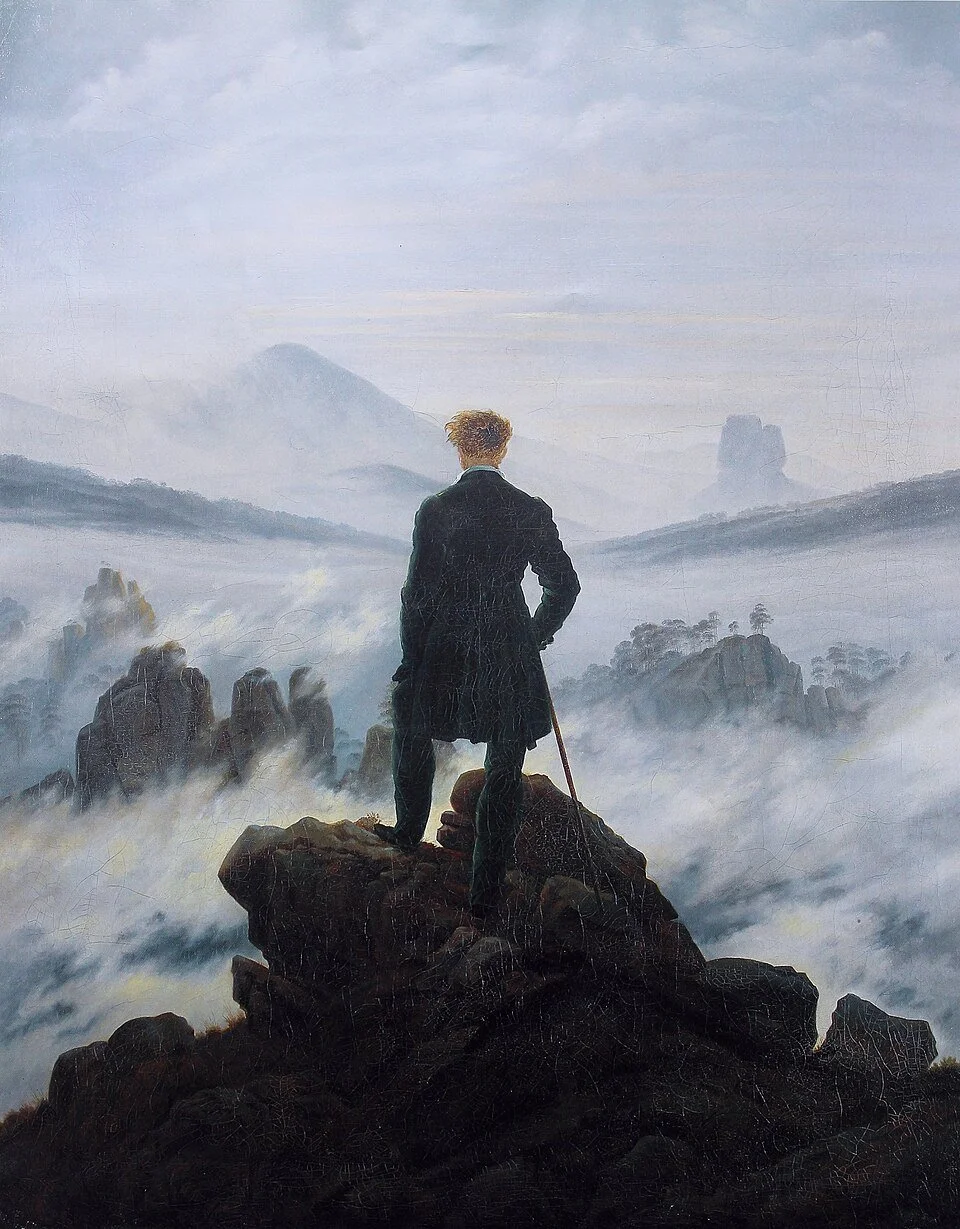
What the Romantics Would Have Made of Our Digital Sublime
Imagine, for a moment, that Wordsworth had a Twitter account. Or that Keats, dying by degrees in his Roman apartment, had access to a language model trained on every elegy ever composed, able to produce, in seconds, a facsimile of the 'Ode to a Nightingale' he was struggling to write through blood-specked coughs. Imagine that Caspar David Friedrich, instead of walking for days through the Rügen cliffs to find the precise angle of light he required, could simply type his vision into a prompt and receive it rendered in seconds. What, exactly, would have been gained? And what would have been irreparably lost?
The Comfortable Burning: Artificial Intelligence and the Slow Homogenisation of Language
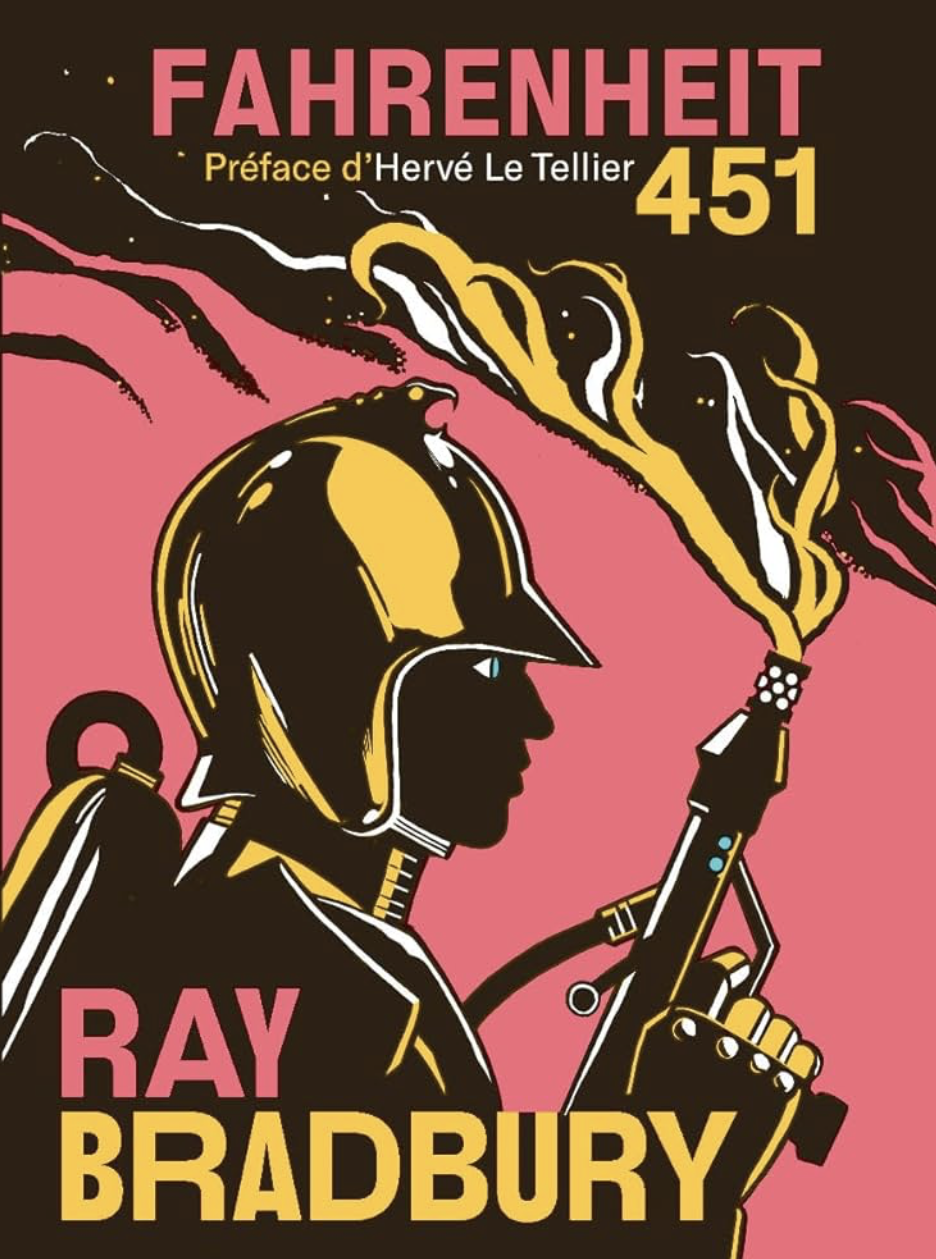
Ray Bradbury’s Fahrenheit 451 is routinely misread. We tend to remember it as a novel about censorship, about the state’s violent suppression of ideas, and so we imagine its dystopia would announce itself with sirens and smoke. But Bradbury was subtler and darker than that. The firemen in his novel do not arrive first. Apathy does. The books disappear not because a government decrees their destruction, but because people simply stop finding them necessary. The burning is merely the bureaucratic tidying-up of a cultural appetite already extinguished.
The Machine That Wasn't There: James Tilly Matthews and the Hallucinating Mind
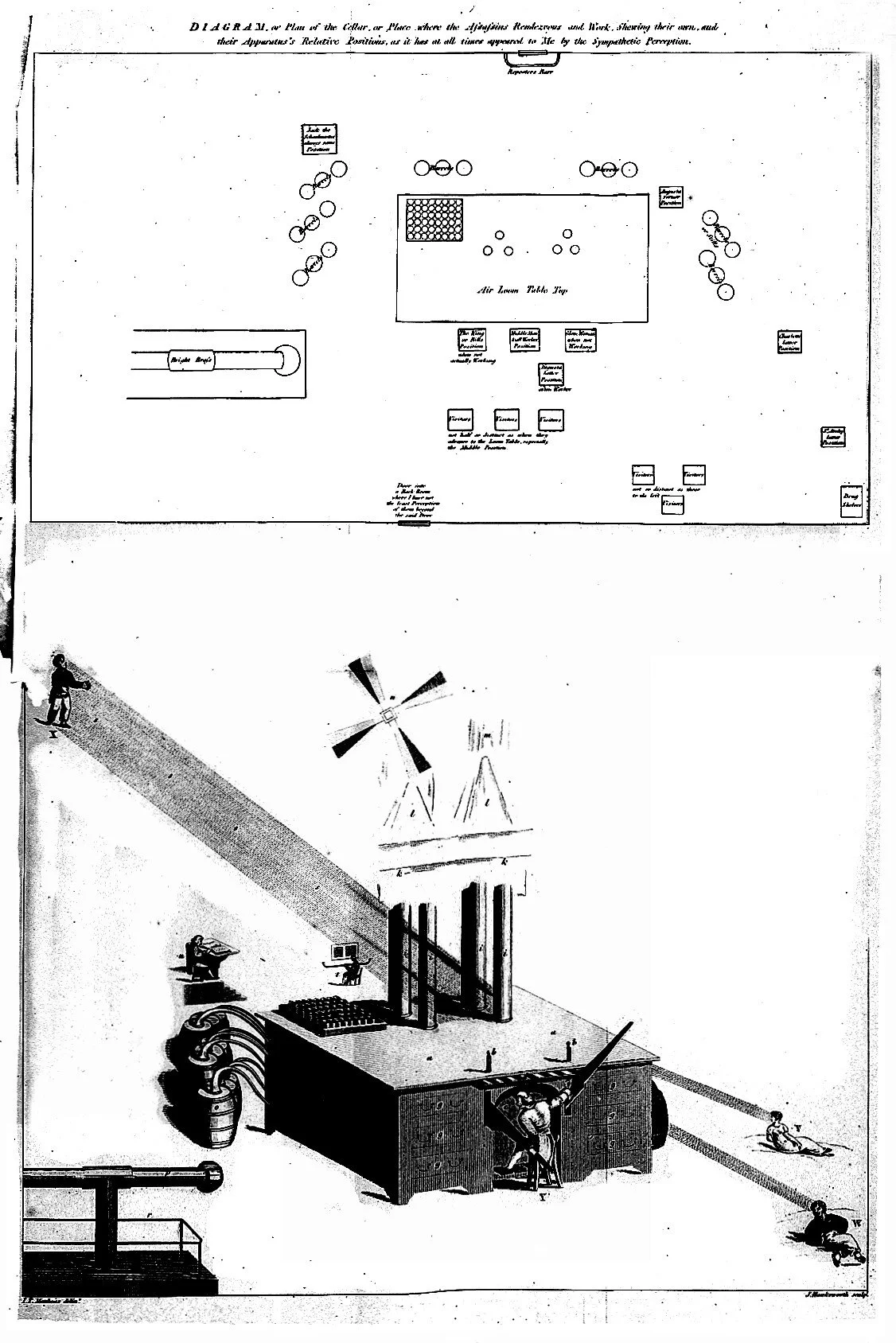
Around 1797, London tea merchant James Tilly Matthews became convinced that criminals were operating a pneumatic machine from a cellar near Bethlem Royal Hospital. He called it the Air Loom, believing it could weave magnetic fluids through the air into the nervous system, distorting thought, speech, and sensation. Matthews named its operators, catalogued their procedures with precision, and drew the device in meticulous technical detail: fluid reservoirs, brass retorts, silk threads, silent and invisible reach. The drawings are extraordinary.

What a World Without AI Might Heal
Imagine waking tomorrow to find it gone: the recommendation engine that decided what you read this morning, the algorithm that curated who you might love, the generative text that ghostwrote someone's apology to you last Tuesday. Gone. This is not an exercise in nostalgia; I am under no illusion that the pre-algorithmic world was uncomplicated or just. I think the removal, even if imagined, illuminates something we have quietly stopped noticing.

Adrift in the Algorithm: What Géricault's Raft Reveals About Our Age of AI
In 1816, the French frigate Méduse ran aground off the coast of Mauritania, a victim of an incompetent captain appointed for political rather than professional reasons. The officer class commandeered the available lifeboats. One hundred and fifty others were set adrift on a hastily constructed raft. After thirteen days of thirst, madness, murder, and cannibalism, fifteen survivors were rescued. The event became an international scandal of the day.
The Moral Machine: Why Our Inner Luddite Deserves a Seat at the Table
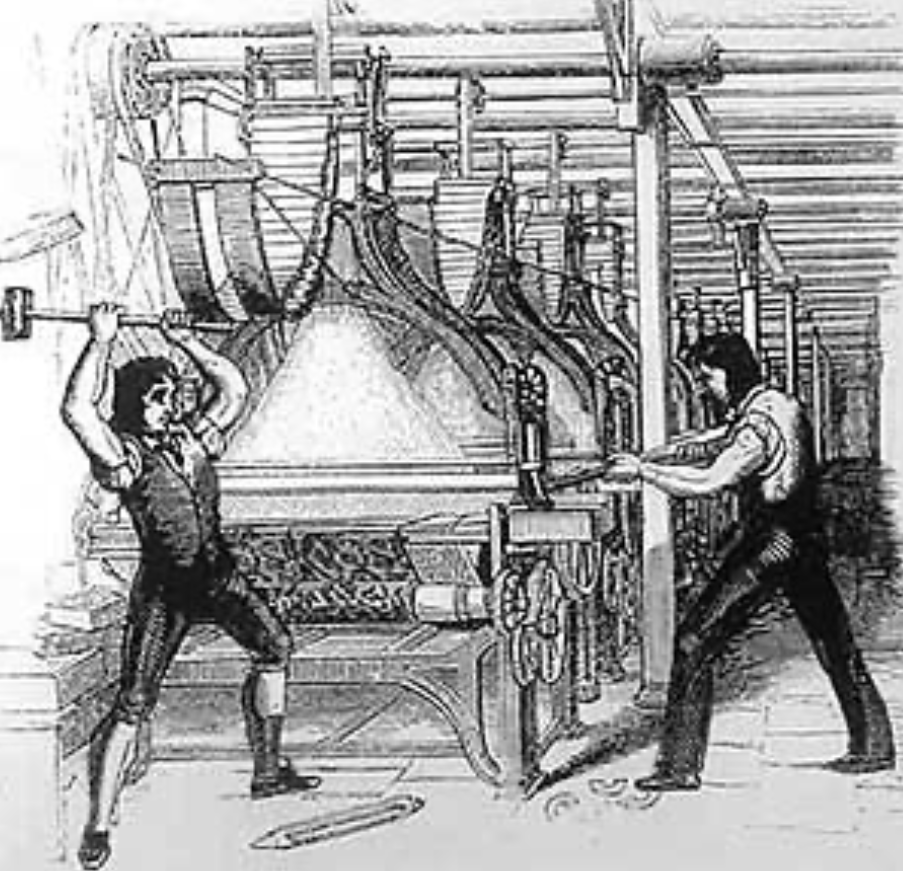
The Luddites have become, in contemporary usage, shorthand for irrational resistance to progress, a caricature so persistent that it has almost entirely obscured the actual historical movement from view. In fact, the Luddite uprisings of 1811-1816 were not the actions of people who feared technology as such. They were skilled textile workers, highly trained, proud of their craft, and fully aware of the implications of what was happening.

The Pollen and the Algorithm: Staying Present When Everything Accelerates
Every morning, from early spring through summer, Wolfgang Laib goes into the fields near his home in southern Germany with a small glass jar and a fine-mesh sieve. He collects pollen: dandelion, hazel, pine, moss, buttercup. He collects a few grams at a time, jar by jar, year after year, over decades. In time, what he collects, he then brings it inside, patiently sifting it across the floor of a gallery, into vast, glowing rectangles of yellow. Several metres of pure, accumulated slowness.
The Citadel Within: AI, Creativity, and Our Stoic Responsibility
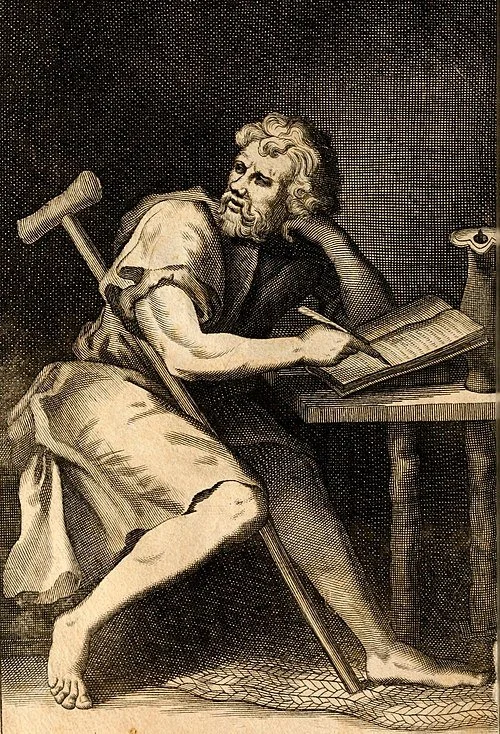
There is a very particular discomfort I notice when someone describes a piece of work as their own, even though every sentence of it was clearly composed by a machine. It is not simply an aesthetic “distaste”. Perhaps it’s something closer to grief. Akin to witnessing a person hand away something precious without quite realising what they have given up.
Sign up for my newsletter and you’ll never miss a post.