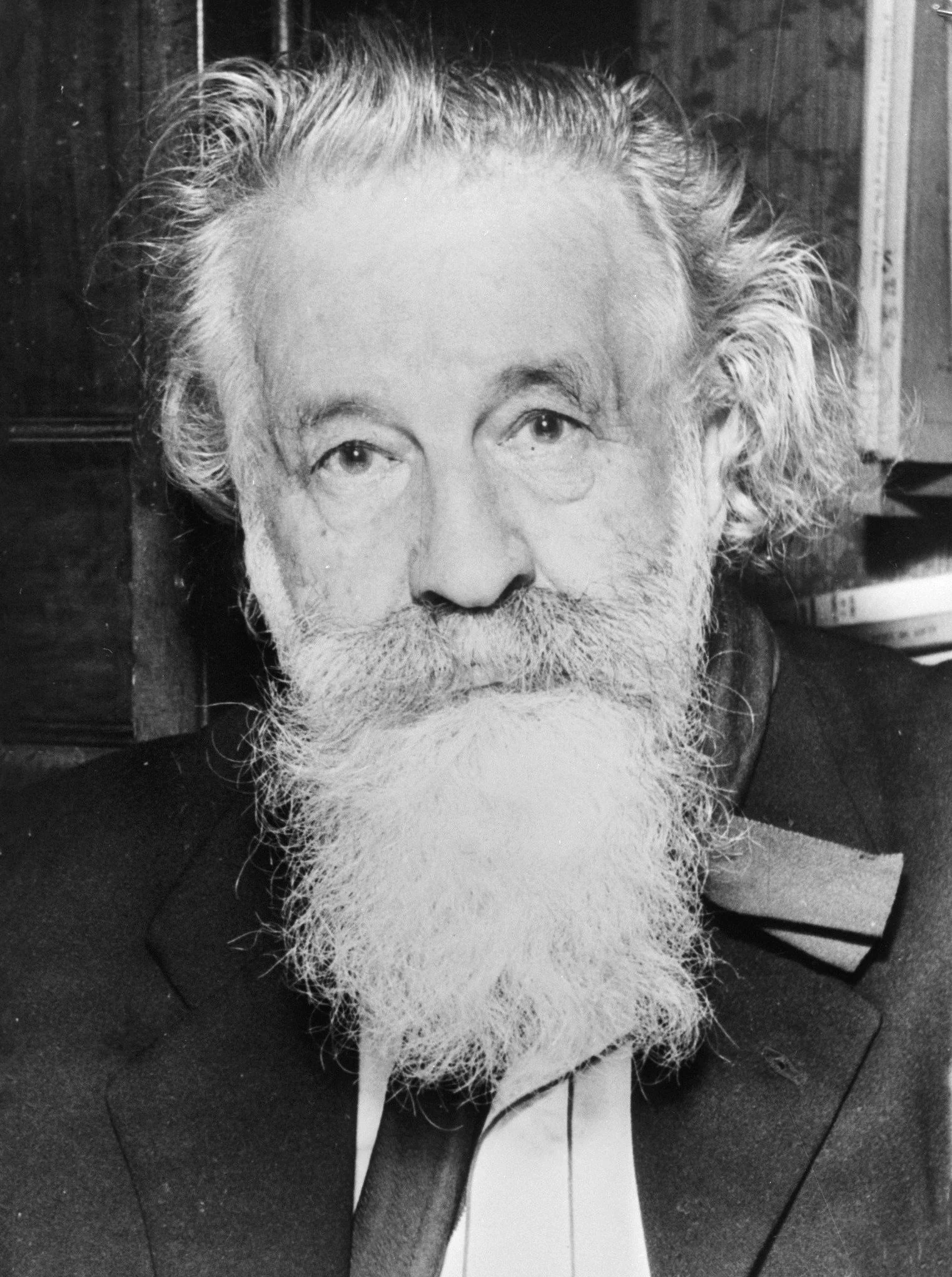
Light the Match: Bachelard, Neural Atrophy, and the Revolutionary Act of Thinking for Yourself
There is something deeply special about the act of making fire. Not in the domestic click of a lighter, or the blue ghost of a gas ring, but that older, more primitive gesture; creating friction, being patient, and the magical moment when heat becomes light. Gaston Bachelard believed that fire was the first “object” of genuine human reverie; the first thing our ancestors stared into and began - without quite knowing it - to think. Fire did not merely warm the body. It educated the mind, called the imagination to attention, and in so doing, contributed towards making us who and what we are today.
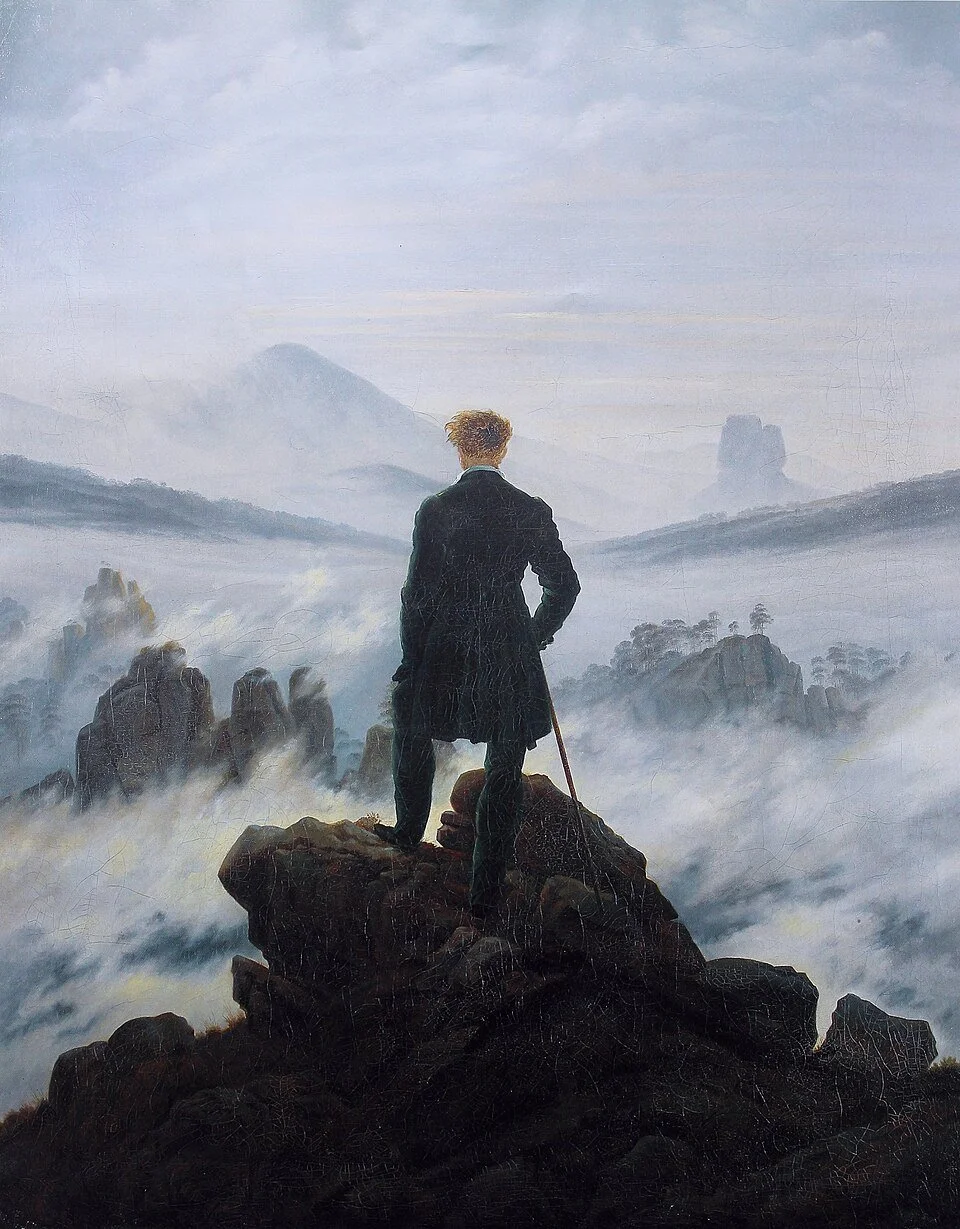
What the Romantics Would Have Made of Our Digital Sublime
Imagine, for a moment, that Wordsworth had a Twitter account. Or that Keats, dying by degrees in his Roman apartment, had access to a language model trained on every elegy ever composed, able to produce, in seconds, a facsimile of the 'Ode to a Nightingale' he was struggling to write through blood-specked coughs. Imagine that Caspar David Friedrich, instead of walking for days through the Rügen cliffs to find the precise angle of light he required, could simply type his vision into a prompt and receive it rendered in seconds. What, exactly, would have been gained? And what would have been irreparably lost?
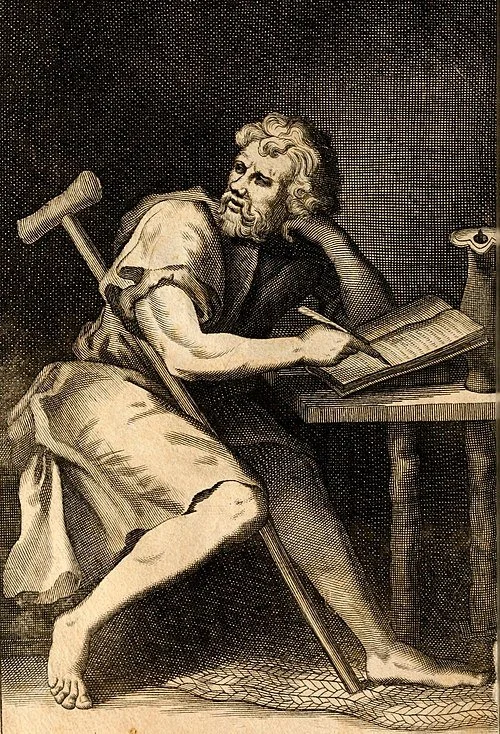
The Citadel Within: AI, Creativity, and Our Stoic Responsibility
There is a very particular discomfort I notice when someone describes a piece of work as their own, even though every sentence of it was clearly composed by a machine. It is not simply an aesthetic “distaste”. Perhaps it’s something closer to grief. Akin to witnessing a person hand away something precious without quite realising what they have given up.
Sign up for my newsletter and you’ll never miss a post.